Is it good to have artificial plants or flowers at home?
Plants and flowers have always been a key element in home decor, bringing freshness, color, and a natural touch to spaces. However, it's not always easy to maintain live plants, either due to lack of time, environmental conditions, or the care they require. In this context, artificial plants and flowers are presented as an attractive and functional alternative. But are they really a good option for the home? In this article, we analyze their advantages and disadvantages to help you decide if they are right for your home.
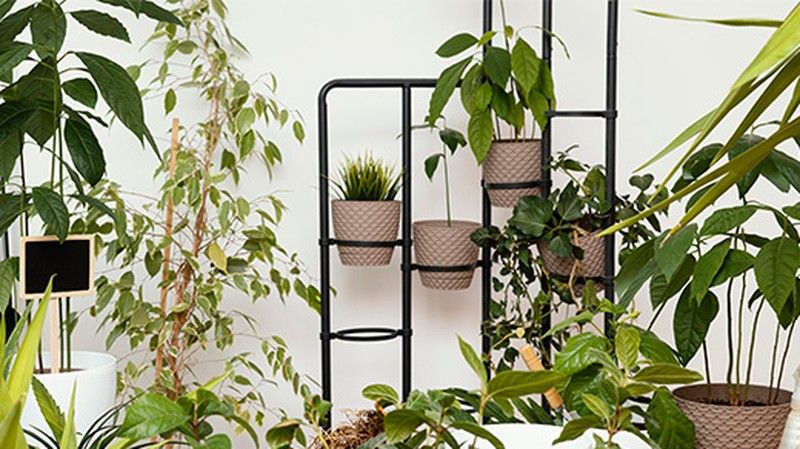
The eternal question: natural vs. artificial
The biggest question people have when they want to put plants in their home is whether they should be natural or artificial. Below we see the advantages and disadvantages of each:
Benefits of natural plants
Natural plants not only aesthetically enhance spaces, but also provide health and well-being benefits. Their main advantages include: they purify the air, add humidity, reduce stress, and promote natural decor.
Advantages of artificial plants
Artificial plants have evolved considerably in design and quality, offering advantages that make them an attractive option for many homes. We highlight their easy maintenance and durability, as well as their versatility. Another great advantage is that they don't cause allergies.
Advantages of decorating with artificial plants and flowers
Low maintenance and durability
One of the main advantages of artificial plants and flowers is that they require no maintenance. You don't need to water them, prune them, or worry about their exposure to light. Plus, they're remarkably durable, as they stay in perfect condition for many years without any additional care.
Suitable for any environment
Artificial plants can be placed in any corner of the home, regardless of weather conditions or the amount of natural light. They're perfect for indoor spaces like offices, bedrooms, or bathrooms, and can also be used on decks or covered patios where real plants might not survive.
Allergy and Pest Free
Unlike natural plants, artificial plants don't produce pollen or attract insects. This makes them an ideal choice for people with allergies or who want to avoid pest problems in their home.
Realistic and Decorative Options
Thanks to advances in materials and technology, artificial plants have become more realistic. Today, you can find options so detailed and authentic that it's hard to tell them apart from real ones. This allows you to decorate any space with realistic-looking plants without worrying about their maintenance or care.
Disadvantages to Consider
Unlike natural plants, artificial plants lack the ability to purify the air. Although they decorate a space, they cannot contribute to improving air quality by absorbing carbon dioxide or releasing oxygen. This means they lose one of the main benefits of live plants, which is to help filter toxins and improve the quality of the indoor environment.
Furthermore, natural plants offer an emotional and sensory connection with nature, which artificial plants cannot replicate. Caring for a live plant can be a rewarding, relaxing, and even therapeutic experience, as it allows you to experience changes in your environment. Artificial plants do not offer that same interaction, which can make you feel less connected to the natural environment.
Finally, although artificial plants do not require care or natural resources to survive, the materials they are made from can have a negative impact on the environment. Many of these products are made from non-recyclable plastics or synthetic materials. If not recycled properly, these products can create a significant ecological footprint, especially considering they can last a long time without degrading.
Tips for Choosing Quality Artificial Plants
To ensure the artificial plants you choose look realistic and long-lasting, here are some tips.
Quality Materials: The best quality artificial plants are made with high-density polyester or plastic. This gives them a more realistic look and greater durability.
Quality artificial plants have details that mimic the texture of natural leaves, stems, and flowers. Look for products that aren't too shiny and have a matte finish for a more authentic look.
Is it worth it to decorate with artificial plants?
Decorating with artificial plants can be a very attractive and functional option for those who don't have the time or the right conditions to care for real plants. While they don't offer the same benefits as live plants, artificial plants can bring beauty, freshness, and a natural touch to any space without requiring constant effort. They also offer advantages such as durability, ease of maintenance, and versatility. However, it's important to consider their disadvantages, such as the lack of air purification or the environmental impact of the materials. Ultimately, the decision will depend on your needs, lifestyle, and personal preferences.
We hope we've been helpful, and don't forget to follow us on Instagram and Facebook!
Other related articles
 Jan. 19, 2026
Home improvements: renovate your home at the best price
We've all been there. You spend months eyeing that corner of the … Dec. 17, 2025
Portuguese tableware: tradition, design and style on your table
Few things enhance a home as much as a beautifully set table. … Dec. 4, 2025
Christmas decorations and trends for 2025
At QeChic, we understand that Christmas isn't just a season; it's the … Dec. 4, 2025
Christmas gift ideas in home decor and furniture
At this time of year, finding the perfect gift is harder than … Dec. 4, 2025
Receive our news