Maintenance and cleaning of garden furniture according to its material
One of the characteristics of garden furniture is that it must withstand inclement weather and constant use. To prolong its lifespan and maintain its appearance, it's essential to apply specific cleaning and maintenance routines depending on the type of material. Wood, rattan, synthetic, plastic... Each requires different care that makes a difference. If you're thinking about renewing or caring for your outdoor furniture, in this article we'll give you the keys to keeping it in optimal condition all year round.
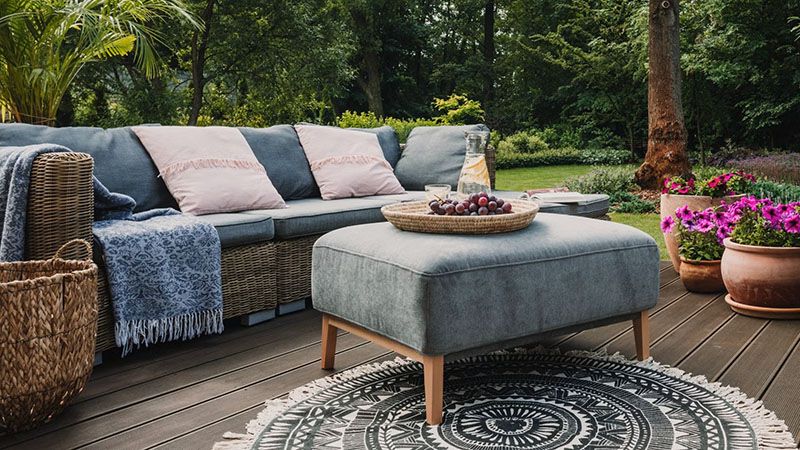
Why is it important to properly care for and protect outdoor furniture?
Outdoor furniture is constantly exposed to factors that can accelerate its deterioration, such as humidity, UV rays, dust, rain, or sudden temperature changes. Without proper maintenance, these materials can cause rust, discoloration, mold, or even cracking.
Protecting and cleaning furniture regularly not only extends its lifespan but also preserves its aesthetics and functionality. Furthermore, good care reduces the need for frequent replacements, which represents long-term savings. Investing time in maintenance is key to enjoying comfortable and well-maintained outdoor spaces year-round.
Cleaning and Maintenance According to the Type of Material
Proper care for garden furniture varies significantly depending on the material it's made of. Applying the right products and techniques ensures greater durability and a better appearance over time. Here's how to maintain it according to its composition:
Wooden Garden Furniture
Wood is a noble and elegant material, but it requires constant care to withstand the elements. Clean it regularly with a soft brush and a mixture of water and neutral soap. To remove stubborn stains, you can use a solution of white vinegar and water. It's recommended to apply wood oil once or twice a year, especially for furniture made of teak, acacia, or eucalyptus. During the wetter months, it's best to cover it or store it in a protected place.
Metal Outdoor Furniture
Metal furniture—wrought iron, steel, or aluminum—is very durable, but can corrode if not properly cared for. Clean it with a damp cloth and mild soap, avoiding abrasive products. Periodically check the surface for rust or peeling paint; if you find any affected areas, sand lightly and apply anti-rust paint. Aluminum, although it doesn't rust, can stain, so it's a good idea to clean it with water and vinegar to maintain its shine.
Rattan or Synthetic Fiber Furniture
This type of furniture is very popular for its lightness and durability. To clean it, simply use a soft-bristled brush and a vacuum cleaner to remove dust and dirt. Then, wipe with a cloth with warm water and mild soap. Avoid harsh chemicals, as they could damage the finish. Although these fibers are designed to withstand the elements, it's recommended to cover the furniture and store it indoors during rainy or extremely cold weather to prolong its good condition.
Plastic Outdoor Furniture
Plastic is practical and easy to maintain. To clean it, use soapy water or baking soda and a non-abrasive sponge. If it's very dirty or has lost color, you can apply a mixture of hydrogen peroxide and baking soda and let it sit for a few minutes before rinsing. Avoid prolonged exposure to the sun, as this can cause discoloration; using protective covers or placing it in shaded areas helps preserve its appearance.
General Tips to Extend the Life of Your Outdoor Furniture
In addition to material-specific cleaning, there are general practices that can help you keep your furniture in excellent condition for years. Incorporating these habits into your routine will make a big difference.
Using Protective Covers
Covers are a simple and effective solution for protecting furniture from dust, rain, sun, and other external elements. Make sure they are breathable to prevent moisture buildup and mold growth. Using them regularly, even in summer, helps preserve the colors and reduce the need for deep cleaning.
Storage in Cold or Rainy Seasons
If you have the space available, store your furniture during the winter or during periods of heavy rain. A storage room, garage, or shed is ideal for keeping it away from moisture and frost. If you can't move them, at least make sure to cover them well and raise them off the ground to avoid direct contact with water.
Periodic Inspection and Seasonal Maintenance
At the beginning and end of each season, inspect all your furniture for damage, corrosion, loose parts, or wear. Repair any necessary items as soon as possible to prevent the problem from getting worse. This is also a good time to apply protective treatments, retighten screws, or renew coats of paint or varnish, depending on the type of material.
Recommended products for cleaning and protecting your garden furniture
Choosing the right products is key to keeping your outdoor furniture in optimal condition. Below are some effective options based on the type of material and need:
- Neutral soap or mild multipurpose cleaner: ideal for regularly cleaning all types of furniture without damaging the surfaces.
- Teak oil: especially useful for nourishing and protecting wood, helping to preserve its natural color and strength.
- Rust removers and anti-rust paints: recommended for metal furniture, they prevent and repair areas affected by corrosion.
- Specific cleaners for synthetic fibers: some products are formulated to remove dirt without affecting the weave or color of synthetic rattan.
- Baking soda and white vinegar: effective homemade solutions for cleaning plastics and removing stains without abrasive products.
- Waterproof and breathable covers: An essential investment to protect furniture from the elements when not in use.
- Plastic polishes or color restorers: Help restore the shine and original color to furniture that has faded over time.
Using the right products not only makes cleaning easier but also prolongs the life of your furniture, keeping it looking new season after season.
Other related articles
 Jan. 19, 2026
Home improvements: renovate your home at the best price
We've all been there. You spend months eyeing that corner of the … Dec. 17, 2025
Portuguese tableware: tradition, design and style on your table
Few things enhance a home as much as a beautifully set table. … Dec. 4, 2025
Christmas decorations and trends for 2025
At QeChic, we understand that Christmas isn't just a season; it's the … Dec. 4, 2025
Christmas gift ideas in home decor and furniture
At this time of year, finding the perfect gift is harder than … Dec. 4, 2025
Receive our news